Full Body Lymphatic Drainage: An Advanced Guide to Dry Brushing and Aromatherapy Massage from Fingertips to Toes
Of course, you don't have to limit yourself to brushing only the bulkiest parts of your body. Full-body dry brushing can enhance the function of various systems, bringing you greater benefits. Here's how: You should start with your fingers and hands. Open your hands and extend them, brushing between each finger several times. Brush the fingertips first, then the palms, adjusting the number of brushes as needed. After finishing, brush the other hand. Then brush your arms. Brush from the wrist to the elbow, then from the elbow to the arm, using long distances. Remember to brush over long distances, applying firm and steady pressure, and always brush towards your heart.
After that, brush your toes and feet. Place one leg on the edge of the bathtub or tub, then brush from the tips of your toes to your toes, then brush the soles of your feet, dry brushing around your ankles, making sure to apply firm and steady pressure. Then brush from your ankles towards your knees, brushing a long distance upwards from your ankles, fourteen times. Now it's time to brush the area from your thighs to your buttocks. Brush one leg, then the other. During this brushing process, you will soon discover where the fat deposits are most concentrated, and after a few weeks, you will find these areas slowly disappearing.
After removing the bulkiest and most unsightly parts, you should start brushing your neck. Brush downwards from the head, first the front, then the back, and then the shoulders, again brushing downwards towards the heart. Obese individuals can stimulate the lymphatic system by placing the brush under their armpits and rotating it seven times to the left, then seven times to the right. If done daily, this can revitalize the lymphatic system.
Now, after doing that, begin brushing the front and sides of your body. Women should avoid brushing the nipples, but can gently brush the breasts. Some experts discourage brushing the stomach and abdomen because this activity is too stimulating. So it's best to avoid these areas and brush your back instead. Use a long-handled brush and brush steadily and firmly over long distances. Although this process sounds complicated, it only takes five minutes. Extremely obese people should brush their bodies for five minutes every day. If your body has become accustomed to the brush and this method is no longer as effective, then brush every other day to keep your skin sensitive.
When you start brushing your skin, you might experience some strange phenomena. Some people may notice changes in their skin texture, such as dryness and dullness. Remember, this is not just a beauty treatment, but also a form of exercise. After these changes, your skin will become smoother, and wrinkles may even disappear. Don't panic if you notice these changes; continue using it, as it will only bring you benefits. Those with damaged or infected skin should avoid brushing infected areas and areas with severe varicose veins.
Aromatherapy is a specialized treatment for obesity and is one of the most successful components of a complete weight loss program. The volatile oils in aromatherapy exert unique effects in treating various ailments. In recent years, it has been confirmed that several aromatherapy products have detoxifying properties, and these aromatherapy products have been quickly applied by weight loss experts to treat obesity. Aromatherapy can only eliminate toxins deposited in fat cells, allowing waste and toxins to be excreted through the liver, kidneys, and skin. They work because the volatile oils have the power to stimulate the body's systems and make previously sluggish systems function more effectively.
Volatile oils are components found in plants that emit strong odors. For example, you can smell the aroma when you crush lavender, sage, or rosemary leaves. Many flowers, seeds, grains, plant roots, and resins contain small amounts of volatile oils. Some volatile oils have medicinal uses, such as those from rosemary, geranium, patchouli, lavender, and sweet almond. Some volatile oils have diuretic effects, while others have stimulating, invigorating, and energy-boosting properties.
For example, sage has a strong relaxing effect and aids digestion; geranium can stimulate the outer layer of the kidneys and is a panacea for urinary retention; lavender has a calming effect; cypress volatile oil is an effective hemostatic agent; juniper plants can stimulate and cleanse the genitals and urethra; and rosemary can help the lymphatic system function normally. There are two ways to use aromatherapy: you can use it yourself for weight loss, or you can consult a weight loss doctor.
After dry brushing your skin, add 6-10 drops of essential oil to the bathtub. If possible, lie in the tub and soak for 15 minutes, taking deep breaths to allow the pure essential oil to work its magic. While in the tub, massage and tap the areas affected by obesity and areas with thicker deposits of fat. After getting out of the tub, dry yourself and then apply a small amount of aromatherapy to your thighs and buttocks.
You can apply the oil with your hands or a loofah, paying special attention to areas with thicker deposits. Also apply some to your abdomen to enhance the disinfecting effect. Then put on your clothes. Wait ten minutes for the oil to penetrate your skin; at this point, no residue will be left. If you have rubbed the fragrance into your skin, your clothes will not be stained or damaged by the volatile oils.
First, add 6-10 drops of volatile oil to the bathwater, then soak your body in the water for fifteen minutes. After drying your body, massage with the massage oil. The massage oil should be stored in an opaque 100ml bottle. First, fill the bottle with a base oil, then add 20-30 drops of volatile oil. This completes the preparation of your massage oil. The base oil you use is crucial. It should be made from pure vegetable oils, such as sweet almond, avocado, grapeseed, hazelnut, or sunflower seed oil.
One effective method used in areas with high rates of obesity is called the kneading method. It's like kneading dough. To use this method, when you grasp a portion of the fat deposits and pinch them, imagine you're kneading dough for bread, squeezing it as hard as you can – it really does feel like squeezing a large piece of meat. Another massage method that is extremely effective at breaking down fat deposits is called the rubbing method. You pinch a section of flesh about an inch thick on your thigh and rub it vigorously to break down the fat deposits.
During your massage, you'll notice certain areas that are uneven, hard, and granular. When you press on these areas, you'll feel a ripple-like sensation under your hand. When massaging areas with long-term accumulated fat deposits, you'll feel like these areas are lined up like sausages. Pay attention to these areas; they are where you should focus your massage. Once you understand which areas are prone to obesity, you should use your thumb to poke these areas with full force.
Whenever you have a spare moment, raise your legs into the air and slowly massage from your ankles to your groin. This helps the lymphatic system work more effectively and aids in the elimination of toxins. Lymphatic drainage massage is a special technique used by massage therapists to stimulate lymph nodes and promote their proper function. This is done by pressing on lymphatic points throughout your body and applying pressure. Major lymphatic points are located in the armpits, the thoracic duct between the breasts, the lower back, and behind the knees.
Post-Operative Care Instructions for Bariatric Surgery: Key Points for Recovery and Risk Prevention Guidelines
This article details key post-operative care for cosmetic surgery, especially for weight loss procedures such as liposuction, covering rest, diet, follow-up examinations, and handling of disputes. Proper post-operative care is fundamental to ensuring effective weight loss and avoiding complications. Understanding these points will help you safely navigate the recovery period and achieve your desired weight loss results.
2026-03-26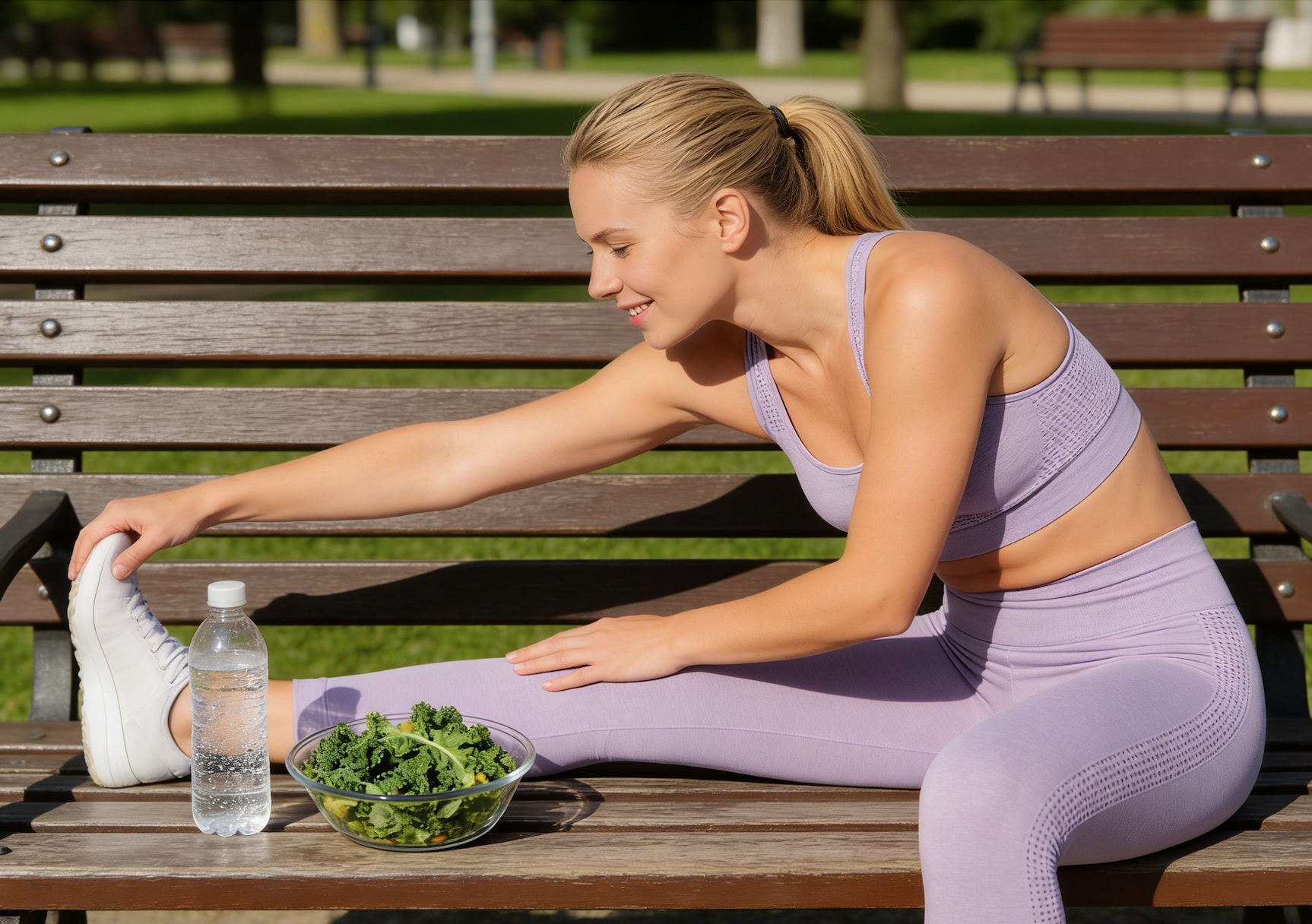
Why is weight loss necessary? The necessity of slimming in an appearance-obsessed society.
This article explores why weight loss has become crucial for enhancing personal image and competitiveness in a society that increasingly values appearance. It analyzes how appearance influences social and career development, demonstrating that weight loss is not only a health need but also an important choice for adapting to social trends and changing one's life trajectory, helping you understand the deeper value of weight loss.
2026-03-26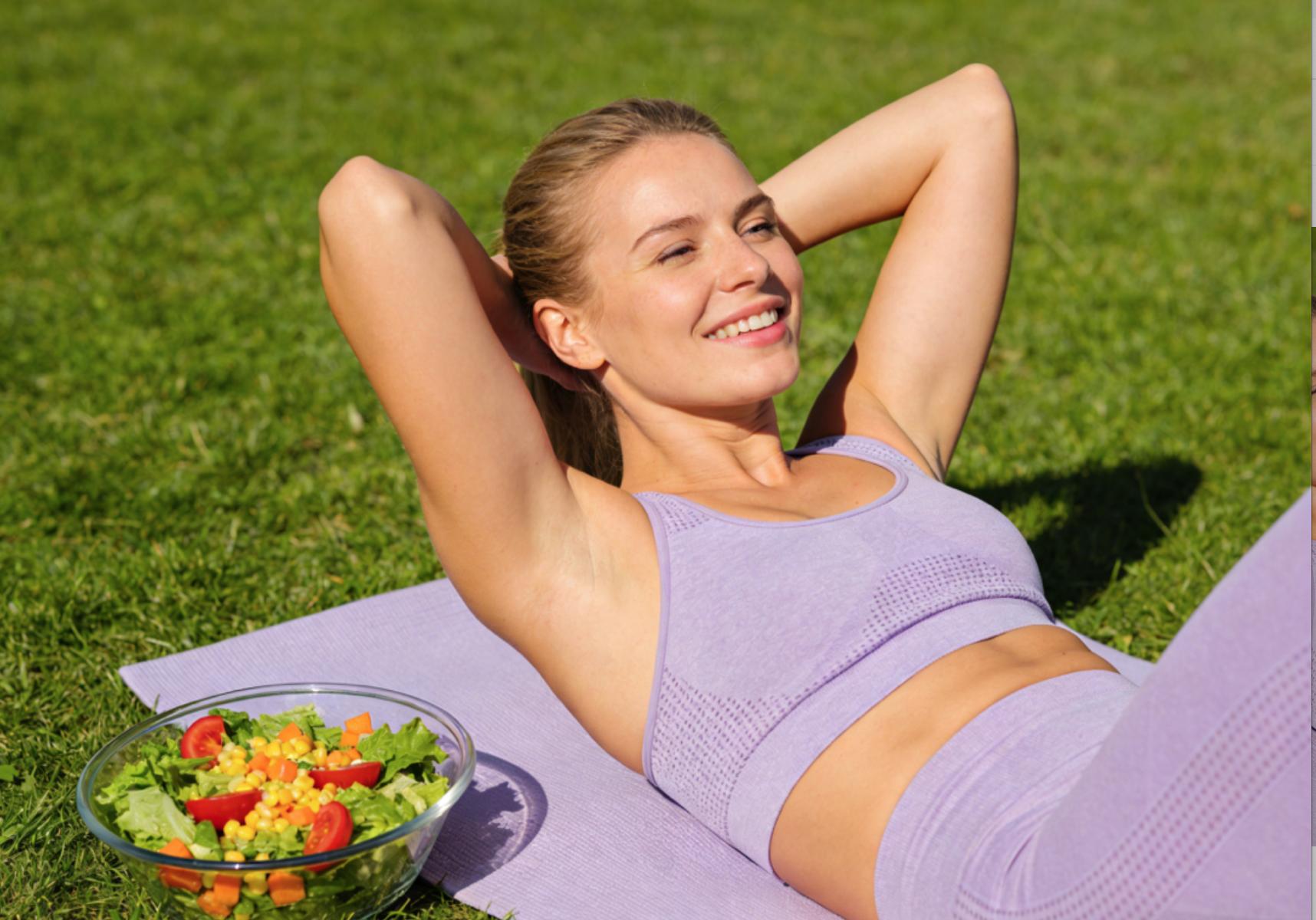
The Rise of an Appearance-Oriented Society: How Weight Loss Can Reshape Personal Competitiveness
This article explores the profound shift in social evaluation systems from academic rigor to appearance-based criteria, revealing the reality that physical appearance has become the primary label. In this context, weight loss is not only a means to improve health, but also a key strategy for enhancing personal image and strengthening social competitiveness, helping you better adapt and thrive in the new era.
2026-03-26